Posture correction in North Austin.
If you've spent the last decade hunched over a keyboard, your body has adapted to that shape. The good news: it can un-adapt. With the right work, faster than you'd expect.
Posture correction isn't about standing up straight or sitting "properly." It's about retraining the muscles that have gone quiet, releasing the ones that have been doing too much, and rebuilding the strength to hold your body in a position that doesn't cost you anything.
Book a free consultation →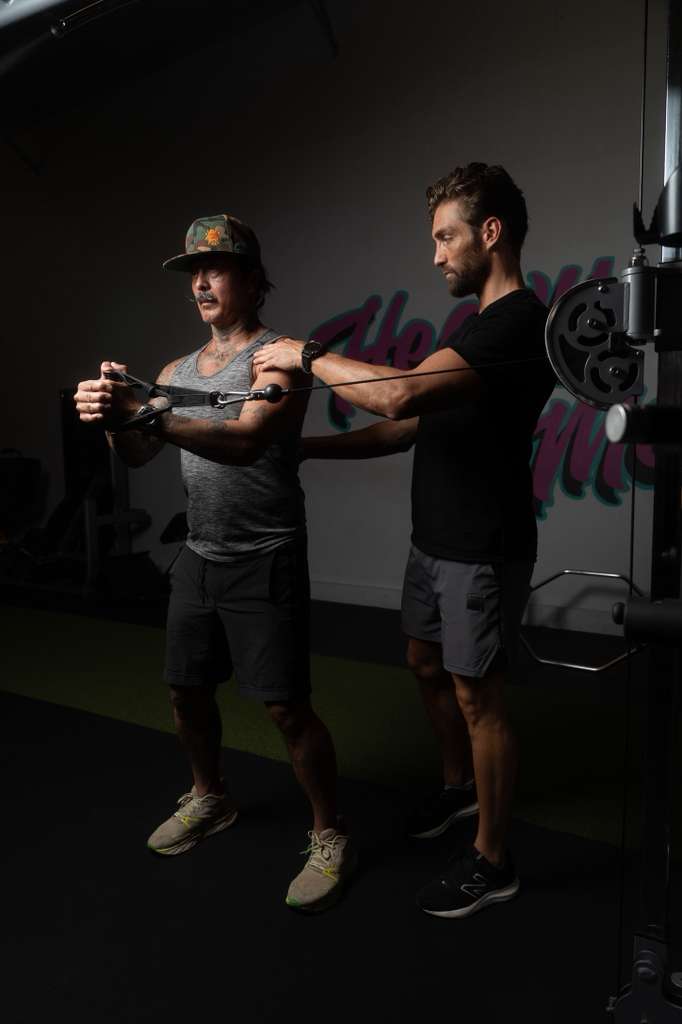
Who this is for
- Rounded shoulders and forward head from screen work
- Tight hips that won't release no matter how much you stretch
- Low back that aches by Friday or after long meetings
- An old injury that healed but never quite went away
What we actually do.
1. Movement assessment
The first session is an NASM-style movement screen. We look at how you stand, how you squat, how your shoulders move overhead. The goal isn't to find fault — it's to map exactly which muscles are overworking and which are checked out. That map drives everything that follows.
2. Corrective programming
Your sessions blend three things in every workout: release work for the tissues that are stuck, activation work for the muscles that have gone offline, and integrated strength work that teaches your body to use the new pattern under load. This is the part most trainers skip — they go straight to lifting, then wonder why their clients keep getting hurt.
3. Strength on top of stability
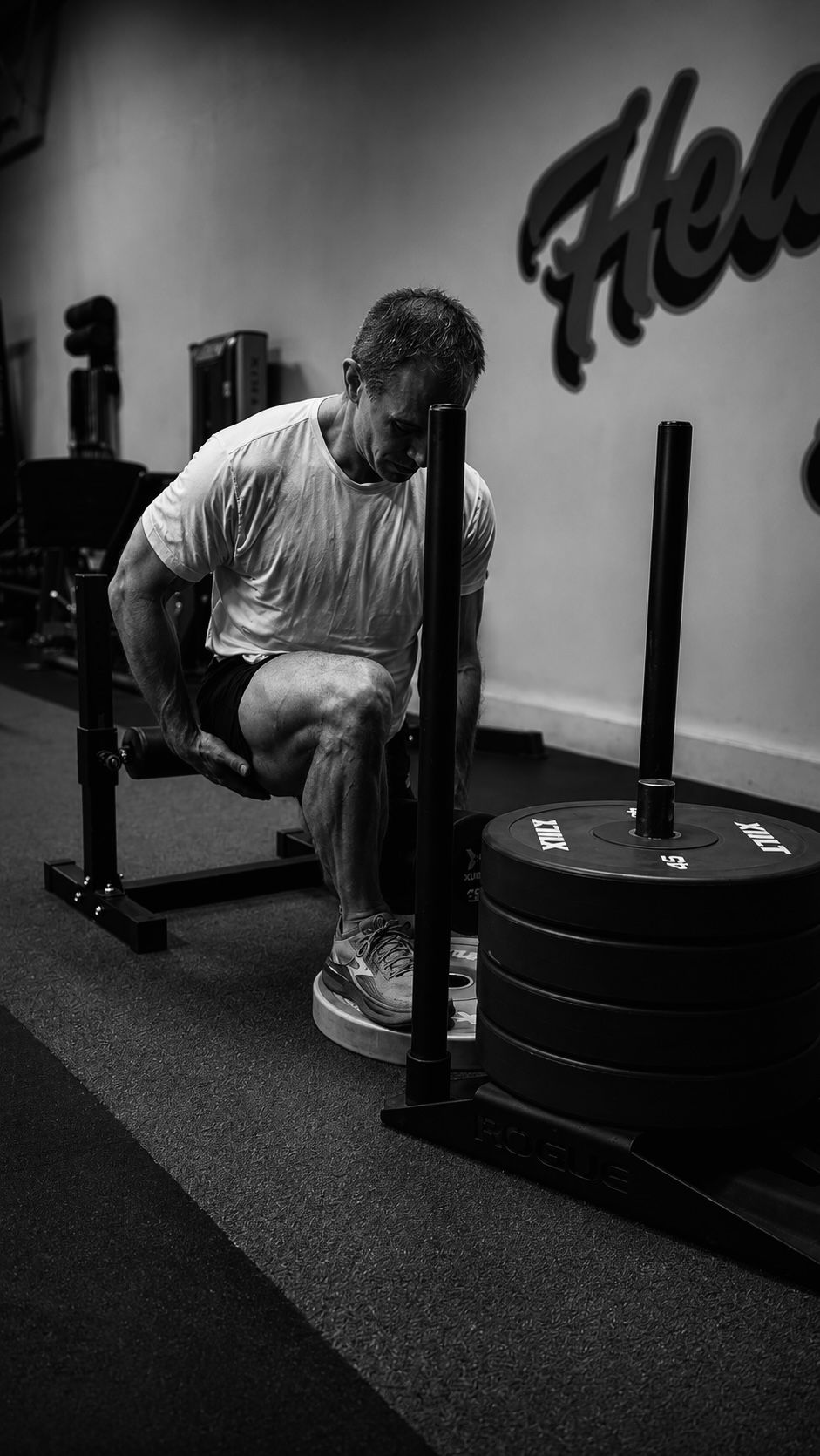
Once the pattern is moving, we load it. You don't avoid heavy work to "protect your back" — you build a back that can handle anything. Most posture clients are deadlifting and squatting safely within their first 6-8 weeks, often for the first time in their adult lives.
Adrien's credentials.
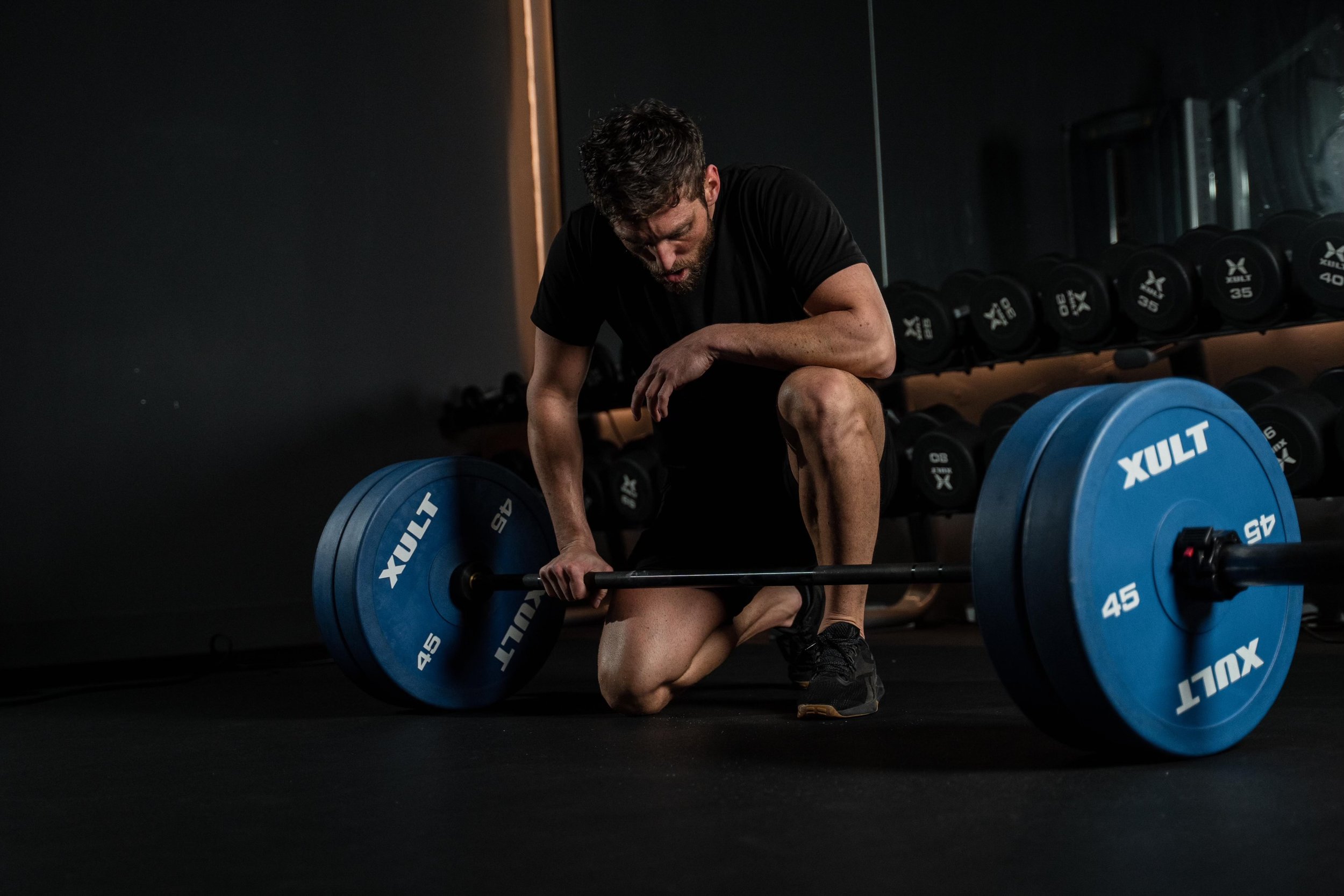
Corrective exercise is one of Adrien's three NASM specializations. He's spent 10+ years and 18,000+ sessions working with bodies that need fixing before they need pushing.
- NASM Certified Personal Trainer
- NASM Corrective Exercise Specialist (CES)
- NASM Performance Enhancement Specialist (PES)
- NASM Physique and Bodybuilding Coach
- TRX Instructor
- Certified Nutritionist
Common questions.
How long until I notice a difference?
Most clients feel a difference in mobility and pain within 3-4 sessions. Visible postural change typically shows up around week 6-8. Durable change — the kind that holds when you stop training — takes 4-6 months of consistent work.
Do I need to see a doctor or PT first?
If you have a diagnosed injury or are in acute pain, see your doctor or physical therapist first. Adrien works alongside PTs and physicians for many clients. For general "my body is tight and uncomfortable" issues, no referral is needed.
Will I still get a real workout?
Yes. Corrective work is woven into strength training, not done instead of it. You'll lift, push, pull, and sweat. You'll just do it with a body that's actually ready for it.
Ready to feel unstuck?
Book a free 30-minute consultation. We'll talk about your history, do a quick movement screen, and figure out a path forward together.
Book free intro →